Baccarat Table Limit Sign: Why Different Colors?
The color coding on a baccarat table limit sign is not decorative flair—it is a hard-coded risk tier that tells the pit boss and the surveillance algorithm exactly how much exposure the house is willing to absorb on that felt. Walk into any high-limit salon and you will see it immediately: red, yellow, green, black plaques with numbers that span three orders of magnitude. That color is a liquidity signal, a whale filter, and a variance throttle all at once.
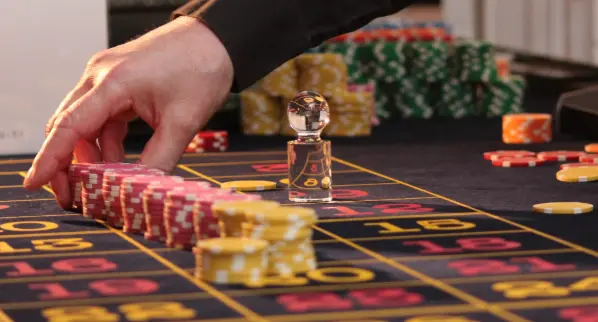
The Color Tier Is a House Edge Multiplier
Standard baccarat carries a house edge of roughly 1.06% on the banker bet and 1.24% on player, but the table limit sign rewrites the math the moment real money hits the felt. A red sign typically caps the main game at a modest ceiling—think $5 to $500—while yellow pushes to $2,500 and black opens the door to $10,000 or beyond. The color is a baccarat table limit sign calibration tool: pit managers use it to map expected hold against bankroll swings. A table running $500 max with a 60-hand-per-hour pace generates a far tighter variance envelope than a black-tier table where a single shoe can swing six figures. The sign's hue is the visual shorthand for that envelope. 🎲
What most players miss is that the color also encodes commission structure and side-bet eligibility. Green-tier tables often restrict dragon bonus or pair bets to a lower cap, while black-tier plaques unlock full side-bet ladders. The sign is a permission layer, not just a number.
Hardware and Surveillance Integration
Under the felt, the limit sign color is wired into the RFID chip-tracking system. Each chip denomination carries a color-coded radio signature, and the table sign's tier determines which chip stacks the overhead camera array prioritizes. A yellow sign triggers a different surveillance flag set than a black sign—black-tier tables get continuous automated bet-pattern analysis, yellow gets periodic sweeps. This is not paranoia; it is exposure management. The table limit color code feeds directly into the pit's real-time risk dashboard, and any deviation between the sign's declared limit and actual chip movement triggers an audit flag within seconds.
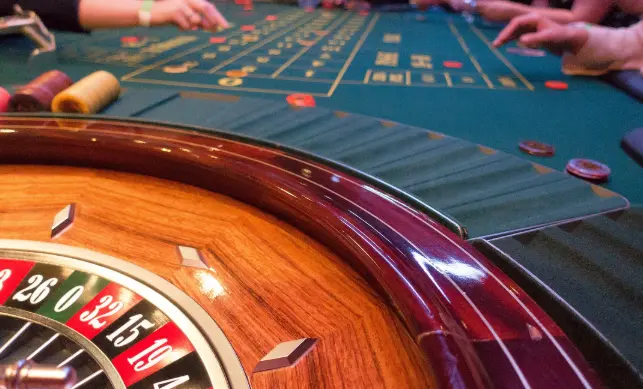
Why the Colors Keep Changing Mid-Shoe
Here is the insider reality that floor staff will never confirm: limit signs get swapped mid-shoe when the pit's exposure model recalculates. A table that started yellow can flip to red if the house's aggregate position on banker bets crosses a threshold. The color change is the physical manifestation of an algorithmic decision made in the back office. Players who track sign color shifts can read the house's own risk appetite in real time—and that is the closest thing to a tell that exists in baccarat. 🃏
The color is never random. Red means the house wants volume with controlled downside. Yellow means it is comfortable with moderate swings. Black means it is hunting whales and has the bankroll to survive the variance. Read the sign, read the house's mood.