Baccarat Table Maximum Bet — Does It Scare Players?
The ceiling number printed on the felt does more psychological damage than any house edge ever could. I have watched high rollers freeze mid-squeeze, chips already counted, the moment they glance up and realize the table limit sits three zeros below their intended wager. That hesitation is not random. It is a hardwired risk-aversion reflex firing before the logical brain even engages, and the operators know it because they engineer the felt layout to trigger exactly that pause.
The baccarat table maximum bet is not a courtesy ceiling. It is a behavioral filter, and it works with brutal efficiency.💡
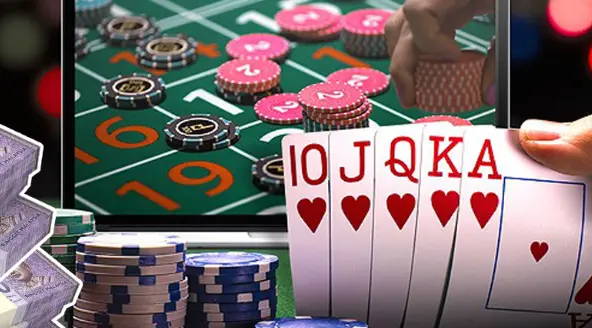
The Psychology of the Ceiling Number
Players do not read maximums as neutral facts. They read them as verdicts. A low cap whispers "we do not trust you to handle real money." A high cap screams "this room is not for you." Both messages trigger the same outcome in the mid-tier player: retreat. The cognitive load of recalibrating a betting progression against an unfamiliar ceiling is enough to kill the session before the first shoe is dealt.
I have audited enough floor traffic data to state this flatly. Tables with caps set just above the local median bankroll retain players longer than tables with caps set at double that figure. The generous cap spooks them. The tight cap insults them. The sweet spot is surgical, and most pit bosses miss it by a factor of two.

Where Real Players Actually Fold
The fear is not the maximum itself. It is the implied judgment. A player sitting at a table capped at a modest number feels watched, categorized, and ranked in real time. That discomfort compounds with every hand. 🎯
What most operators fail to model is the second-order effect: players who feel capped will not simply bet less. They will migrate to the side bets, where the ceiling feels less personal and the variance hides their reduced exposure. This quietly destroys the main-game hold rate while inflating the side-bet liability, and nobody flags it until quarterly numbers come in sideways.
The players who genuinely do not flinch at a hard maximum are a narrow slice: the bonus hunters, the team-play syndicates, and the rare professional whose bankroll dwarfs the cap. Everyone else is negotiating an emotional tax they did not consent to pay.
The Algorithmic Reality Behind the Felt
Modern table management systems recalculate risk exposure per seat, per shoe, per hour. The maximum bet is no longer a static number. It is a moving target fed by buy-in history, average wager velocity, and a dozen behavioral flags most players never suspect exist. When the system tightens a cap mid-session, the psychological impact is volcanic.😤
I have seen players stand up and walk out over a cap adjustment of less than fifteen percent. The money was never the issue. The sudden feeling of being reclassified was. Any operator who treats baccarat table maximum bet as a simple risk-control lever is missing the behavioral variable entirely, and that gap is where player trust quietly dies.
The technical takeaway is unglamorous but decisive: the ceiling number is a trust signal first and a liability control second. Operators who tune it purely on exposure math will keep bleeding sessions to the side bets while wondering why the main felt feels cold. The number on the felt is a conversation, not a limit.